Post-Bariatric Body Contouring in Dubai
“You did the hard work losing the weight — now let us help complete the transformation you earned.”
Massive weight loss is one of the most profound personal achievements possible — yet many individuals discover that the journey does not end at the scale. After losing a significant amount of weight through bariatric surgery, disciplined dieting, or a combination of both, the body often retains loose, sagging skin that obscures the contours underneath. This excess tissue can cause physical discomfort, interfere with mobility, lead to chronic skin irritation in body folds, and create significant emotional distress for someone who has worked tirelessly to reclaim their health.
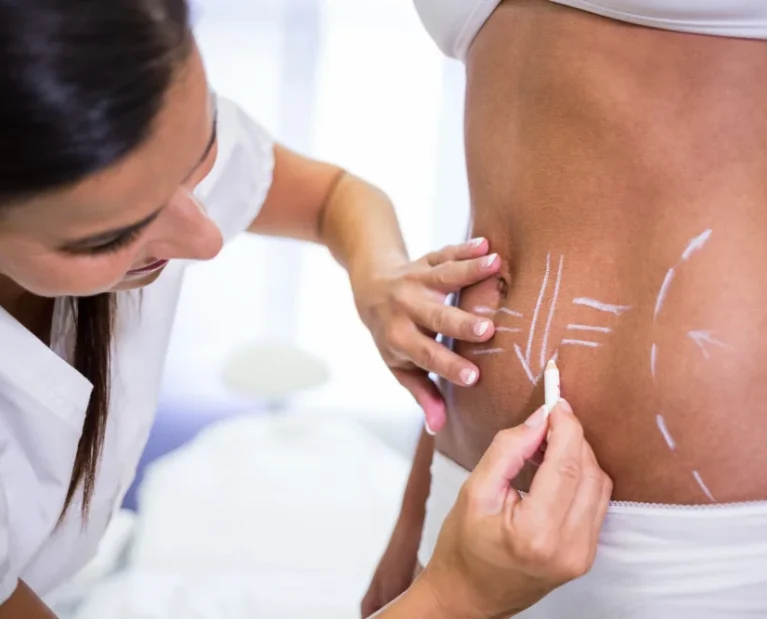
Post-weight loss body contouring addresses these concerns by surgically removing excess skin and fat while tightening the underlying supportive tissue to create a smoother, more defined silhouette. The procedure is not about achieving an idealized body shape — it is about revealing the body you have already built and eliminating the physical and emotional burden of redundant skin. Multiple areas are commonly addressed, including the abdomen, flanks, back, arms, thighs, and breasts, with the surgical plan carefully customized to each patient’s anatomy and priorities.
Because the scope of tissue removal is often extensive, these operations are typically staged across two or more separate surgical sessions, spaced several months apart. This staged approach ensures patient safety, allows adequate healing between procedures, and produces the most refined final result. The transformation can be truly life-changing, restoring not only physical comfort and mobility but also a profound sense of alignment between effort and outcome.

The most commonly performed procedures after significant weight loss address different regions of the body, each targeting specific patterns of skin excess. A circumferential lower body lift removes a belt of tissue from around the entire midsection — abdomen, flanks, lower back, and upper buttocks — in a single operation, producing a dramatic waistline redefinition. For patients with concentrated abdominal skin laxity, an abdominoplasty, commonly known as a tummy tuck, may be sufficient, tightening the abdominal wall while excising overhanging skin.
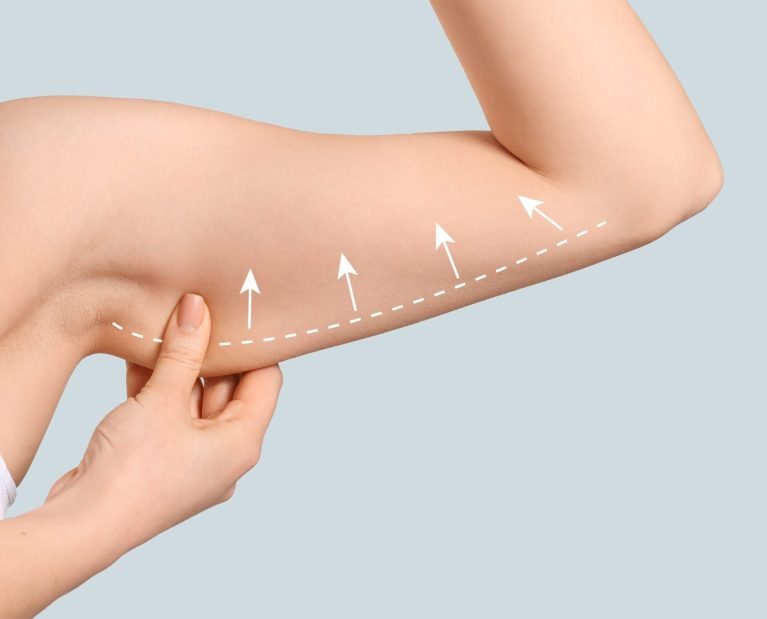
Upper body concerns are addressed through brachioplasty, which removes loose skin from the upper arms, and a breast lift with or without augmentation, which reshapes and repositions the breasts after significant volume loss. Thigh lift surgery targets sagging tissue along the inner or outer thighs, improving both contour and comfort when walking. In some cases, a back lift removes rolls of tissue that develop across the mid-back. Each procedure is tailored to the individual, and the surgeon determines the optimal combination and sequencing during the comprehensive pre-operative planning phase.
Removes the excess skin that hides the body you worked so hard to achieve.
Eliminates skin folds that cause rashes, chafing, and hygiene issues.
Addresses every area affected by massive weight loss in a staged, safe plan.
Patients report dramatic improvements in mobility, comfort, and confidence.
Body contouring after massive weight loss is a major surgical undertaking that requires careful planning and execution. The process begins with an in-depth consultation during which the surgeon evaluates the amount and distribution of excess skin, assesses underlying muscle tone, reviews the patient’s weight stability, and discusses priorities. Blood tests and a medical clearance are typically required to ensure the patient is fit for surgery.
On the day of the procedure, general anesthesia is administered. The surgeon makes carefully planned incisions — often along natural body creases to minimize visible scarring — and removes the excess skin and underlying fat. The remaining tissue is then repositioned and sutured into place, and temporary drains may be inserted to prevent fluid accumulation. Most procedures require an overnight hospital stay, with some multi-area operations necessitating two to three nights of supervised recovery. The surgical team monitors the patient closely throughout this period to manage pain, prevent complications, and ensure the earliest possible safe mobilization.
Recovery from post-weight loss contouring is more extensive than most other aesthetic procedures. Patients should plan for two to four weeks of limited activity following each surgical stage, with full recovery and final results becoming apparent over three to six months. Compression garments are worn continuously for the first six weeks to support the healing tissues, reduce swelling, and help the skin conform to its new contours. These garments are later transitioned to nighttime-only wear for an additional period as directed by the surgeon.
Activity progression follows a structured timeline: gentle walking begins the day after surgery to promote circulation, light activities resume at two weeks, and more vigorous exercise gradually reintroduces from four to six weeks. Follow-up appointments are scheduled at regular intervals to monitor healing, remove stitches or drains, and address any concerns. Scar management protocols, including silicone sheets and massage techniques, begin once the incisions have fully closed.
The complete body contouring journey spans many months, from the initial consultation through the final follow-up. The first visit establishes trust and sets expectations: the surgeon conducts a physical examination, reviews photographs, and creates a phased surgical plan that considers the patient’s overall health, available recovery time, and aesthetic priorities. Some patients choose to address their most bothersome area first — often the abdomen — before proceeding to the extremities in subsequent stages.
Between each surgical stage, the body needs time to heal fully. A minimum interval of three to six months is standard, allowing inflammation to resolve, incisions to mature, and the patient to return to a baseline level of fitness. The staging process also gives the patient an opportunity to assess their results and adjust their plan if priorities shift. Nutrition and exercise remain important throughout, as maintaining a stable weight is critical for preserving surgical outcomes. The final stage is typically a comprehensive review where the surgeon and patient evaluate the overall transformation and address any remaining refinements.
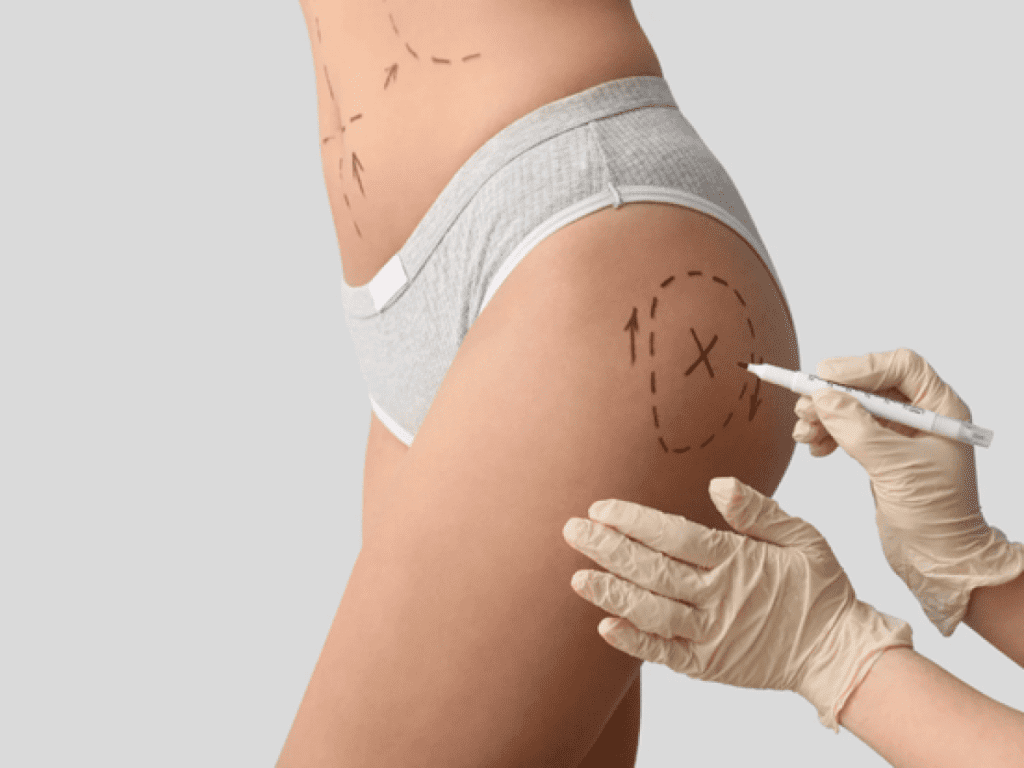
How much does post-bariatric body contouring cost?
The total investment for body contouring after significant weight loss depends on several variables: the number and complexity of procedures, whether they are performed individually or combined, the surgical facility, anesthesia fees, and post-operative care requirements. A single-area procedure such as an arm lift or tummy tuck typically represents one tier of cost, while a circumferential body lift or multi-area surgical plan represents a substantially higher investment due to the extended operative time and hospitalization involved. During your consultation, the surgical team provides a detailed cost breakdown for each recommended stage. Many practices offer financing options to help patients manage the expense across the treatment timeline.
Recovery Timeline
Choosing the right surgical team for body contouring after weight loss is one of the most important decisions in your transformation journey. Our platform connects you with experienced, board-certified surgeons who specialize in post-weight loss reconstruction and understand the unique anatomical and emotional needs of this patient population. Submit your information through our consultation request, and we will match you with qualified specialists who can evaluate your case and develop a personalized surgical plan. Your transformation deserves expert care from start to finish.. SurgeryDubai connects you with vetted specialists — your consultation is free, with no obligation.