Liposuction in Dubai
“Sometimes diet and exercise need a helping hand — and that is perfectly fine.”
Despite a disciplined diet and regular exercise routine, many people struggle with localised fat deposits that refuse to budge. These stubborn pockets — commonly found on the abdomen, flanks (love handles), thighs, hips, upper arms, chin, and back — are often genetically predetermined and respond poorly to even the most dedicated lifestyle efforts. The frustration of feeling fit yet seeing disproportionate contours is one of the most common reasons patients explore body contouring options.
This body contouring procedure permanently removes targeted fat cells through a minimally invasive suction technique, reshaping and refining the body’s natural silhouette. It is important to understand that this treatment is designed for body sculpting — not weight loss. The ideal candidate is someone at or near their stable target weight who wants to address specific contour irregularities that diet and exercise alone cannot resolve.
Modern fat removal techniques have advanced dramatically. Beyond traditional tumescent suction, patients now have access to ultrasound-assisted (VASER) and laser-assisted (SmartLipo) methods that liquefy fat before extraction, allowing for smoother results and faster recovery. Each technique carries specific advantages depending on the treatment area, the density of the fat, and the patient’s skin quality.
The UAE’s aesthetic medicine sector is among the most regulated and advanced in the region. SurgeryDubai partners exclusively with SafePlast-certified surgeons who are trained in the latest body sculpting methods, ensuring every patient receives care that meets the highest international safety and quality standards.
Several fat removal methodologies are available, and the right choice depends on the areas being treated, the volume of fat, and your skin’s ability to retract after the procedure.
Traditional tumescent technique: The foundational technique that remains widely used. A large volume of sterile saline solution containing local anaesthetic and adrenaline is injected into the target area, causing fat cells to swell and become firm while constricting blood vessels to minimise bleeding. A thin, hollow tube (cannula) is then inserted through small incisions and moved in a controlled back-and-forth motion to break up and suction out the emulsified fat. This method is effective, well studied, and suitable for most body areas.
VASER (ultrasound-assisted) method: Uses low-frequency ultrasound energy delivered through a specialised probe to selectively liquefy fat cells while preserving surrounding blood vessels, nerves, and connective tissue. This precision makes VASER particularly effective for fibrous areas such as the male chest, flanks, and back, where dense tissue can make traditional suction more difficult. Patients also benefit from smoother contouring and a quicker return to normal activities.
Laser-assisted technique (SmartLipo): A laser fibre delivers thermal energy that melts fat and simultaneously stimulates collagen production in the overlying skin. This dual action can result in noticeable skin tightening — an advantage in areas where skin laxity is a concern, such as the upper arms or chin. SmartLipo is best suited for smaller-volume treatments and patients with good skin elasticity.
Your surgeon will recommend the optimal technique after evaluating your anatomy, discussing your goals, and reviewing your medical history during the consultation.
Precisely sculpt stubborn areas: abdomen, flanks, thighs, arms, chin, back, and more.
VASER and laser-assisted options for smoother results and faster recovery.
Tiny incisions (3–5mm) placed in natural creases and hidden locations.
Most patients return to work within 3–7 days depending on treatment areas.
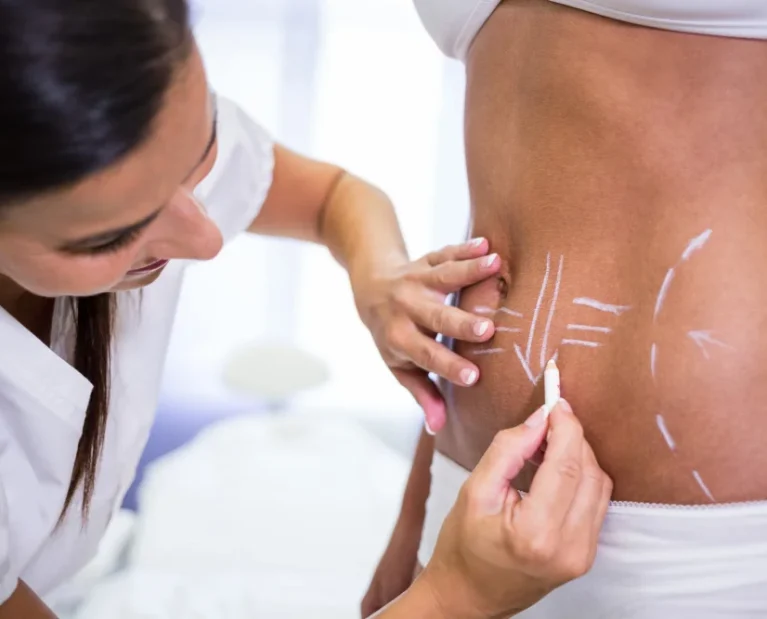
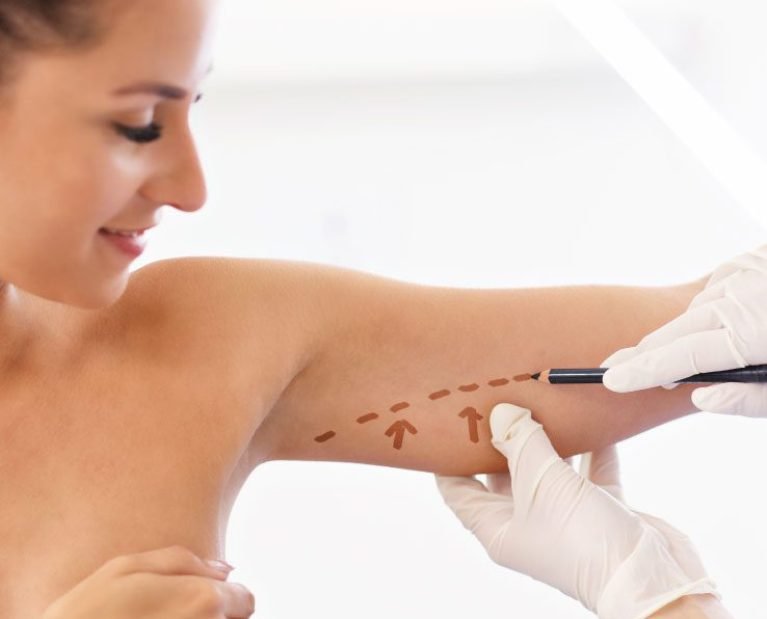
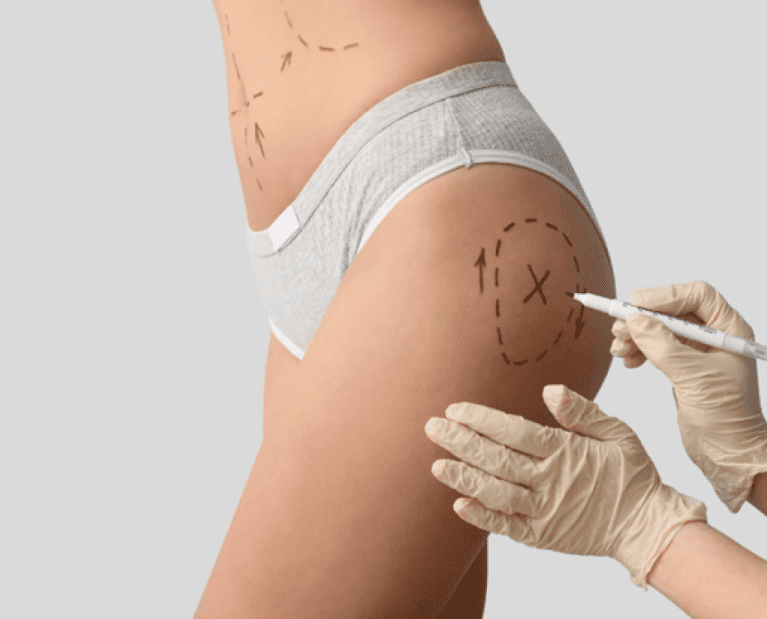
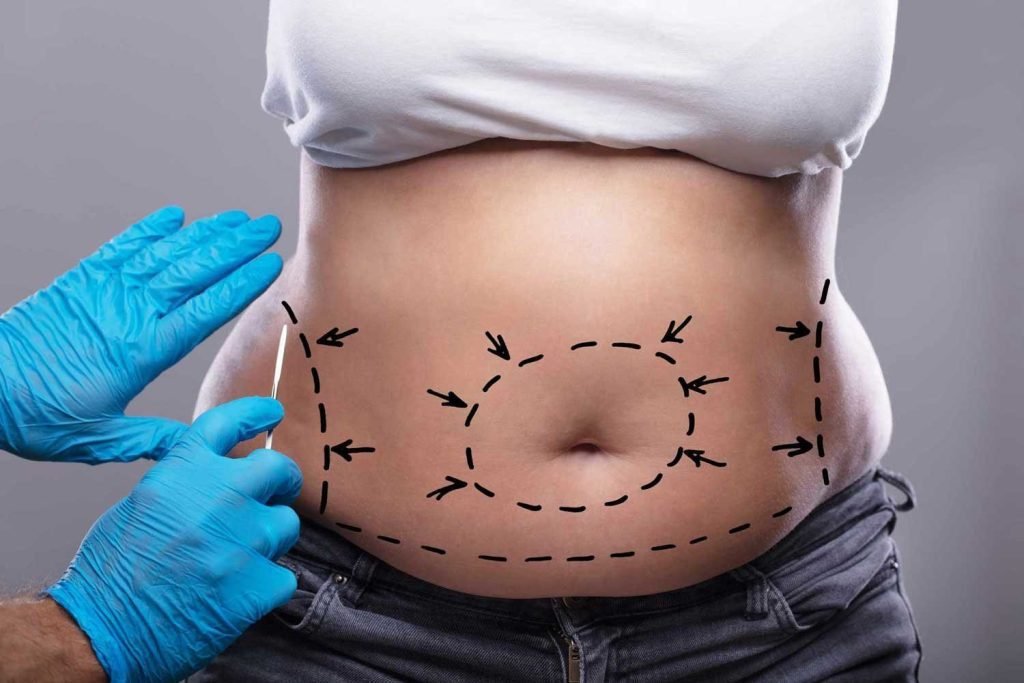
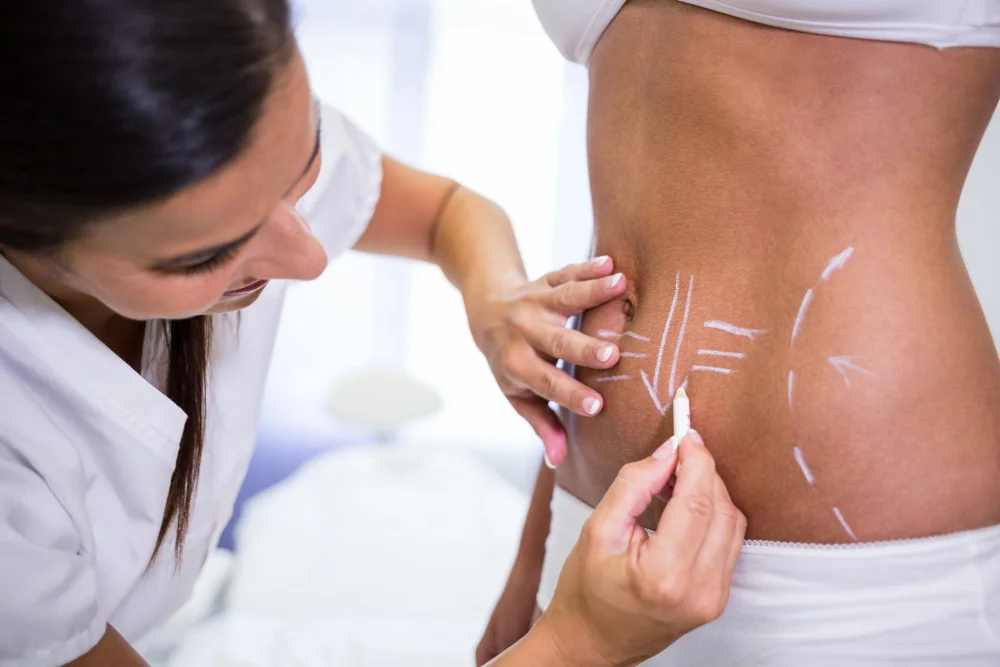
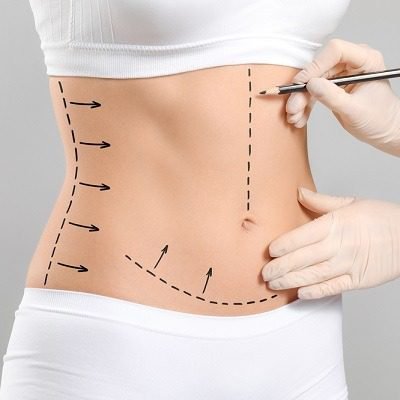
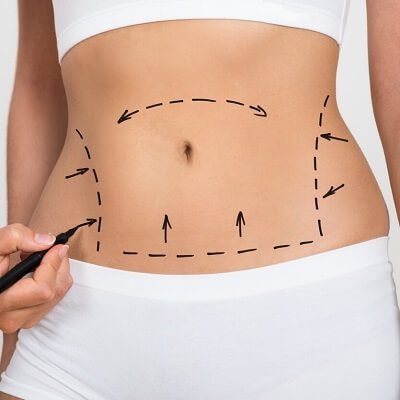
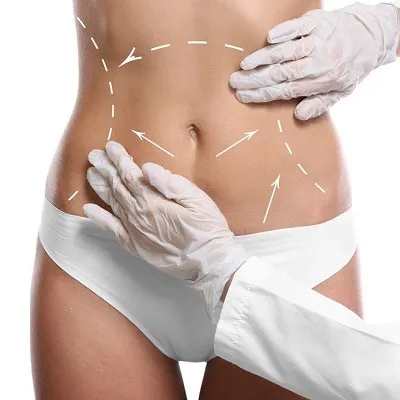
On the day of surgery, you will arrive at the accredited facility having followed pre-operative guidelines — typically including fasting and the avoidance of certain medications and supplements for one to two weeks prior. After a final review of the surgical plan and confirmation of the treatment areas (often marked on your skin with a surgical pen), anaesthesia is administered. Small-volume procedures on limited areas may be performed under local anaesthesia with sedation, while larger or multi-area sessions generally require general anaesthesia.
Once you are comfortable, the surgeon injects the tumescent solution into the target zones. For VASER or laser-assisted methods, the energy probe is then introduced to liquefy the fat before suction begins. A thin cannula is inserted through incisions of just three to five millimetres — so small they typically heal without visible scarring. The surgeon uses controlled, overlapping strokes to extract the fat evenly, constantly checking for symmetry and smooth contouring.
After the fat removal is complete, the incisions may be left open temporarily to allow residual fluid to drain, or small drainage tubes may be placed. A compression garment is then fitted to minimise swelling, support the newly contoured tissues, and help the skin conform smoothly to the underlying shape. The procedure takes one to four hours, depending on the number of areas and the technique used.
Days 1–3: The compression garment must be worn continuously (24 hours a day). Treated areas will feel sore, swollen, and bruised — similar to the sensation after an intense workout. Leakage of blood-tinged fluid from the incision sites is normal and expected. Pain medication keeps discomfort manageable.
Days 4–14: Drainage diminishes significantly, and most patients can remove the garment briefly for showering. Light walking is encouraged to promote circulation and prevent blood clots. The majority of patients feel well enough to return to desk-type work within five to seven days, though visible bruising may persist for another week or two.
Weeks 3–6: Swelling continues to decrease, and the initial contours of the treated areas become more apparent. The compression garment is gradually reduced to daytime-only wear (12 or more hours per day). Light exercise — walking, cycling, swimming — can be resumed under the surgeon’s guidance.
Weeks 8–12: The final contour becomes clearly visible as the last traces of swelling resolve. The compression garment is discontinued. Incision scars fade to near-invisibility. Because the removed fat cells do not regenerate, results are permanent as long as you maintain a stable weight through healthy habits.
After anaesthesia is established, the surgical team confirms the treatment zones and begins by injecting a tumescent solution into each target area. This fluid serves three purposes: it numbs the region, constricts blood vessels to reduce bleeding, and expands the fat layer to make extraction easier and more uniform.
For ultrasound-assisted or laser-assisted methods, the energy probe is introduced next. VASER ultrasound selectively fragments fat cells while leaving blood vessels, nerves, and connective tissue intact, resulting in less trauma and smoother contours. Laser energy achieves a similar fat-liquefying effect while also heating the dermis to encourage collagen remodelling and skin tightening.
The suction phase uses a sterile cannula attached to a vacuum device. The surgeon moves the cannula through the treated area in systematic, overlapping passes, extracting the emulsified fat and sculpting the contour. Fingers placed on the skin surface allow the surgeon to feel the thickness of the remaining fat layer, ensuring evenness and symmetry. Once satisfied, the incisions are closed and the compression garment is applied. Surgical time is one to three hours for standard cases, extending to four hours or more when multiple areas or advanced techniques are involved.
How much does liposuction cost?
The cost of body contouring varies considerably depending on the number of areas being treated, the volume of fat to be removed, the technique selected (traditional, VASER, or laser-assisted), and the surgeon’s level of expertise. Treating a single small area (such as the chin or upper arms) costs significantly less than a comprehensive multi-area session covering the abdomen, flanks, and thighs. Additional factors include facility fees, anaesthesia charges, and the cost of post-operative compression garments. In the UAE market, prices typically range from AED 10,000 to AED 40,000+, depending on scope. Your matched specialist will provide a fully itemised quotation during the initial consultation so you can plan with confidence and complete clarity.
Recovery Timeline
No matter how consistently you train or how carefully you eat, certain fat deposits are simply immune to lifestyle change — they are written into your genetics. If you are close to your ideal weight but frustrated by stubborn contours that prevent your physique from reflecting your hard work, a targeted body sculpting procedure can make a transformative difference. The critical factor is selecting a qualified surgeon who understands the nuances of different techniques and can deliver smooth, symmetrical results. SurgeryDubai takes the uncertainty out of this decision by connecting you with SafePlast-certified specialists who have been vetted for technical excellence and patient safety. The matching process is completely free and carries no obligation — request your personalised surgeon match today and move one step closer to the body you deserve.