Tummy Tuck (Abdominoplasty) in Dubai
“Reclaim the body you worked hard for — you have earned it.”
Pregnancy, significant weight loss, and the natural ageing process can leave lasting changes to the abdominal region that no amount of exercise can reverse. Stretched skin that hangs loosely, separated abdominal muscles (a condition called diastasis recti), and persistent fat deposits above or below the navel create a protruding or uneven midsection that undermines self-confidence and makes clothing fit poorly.
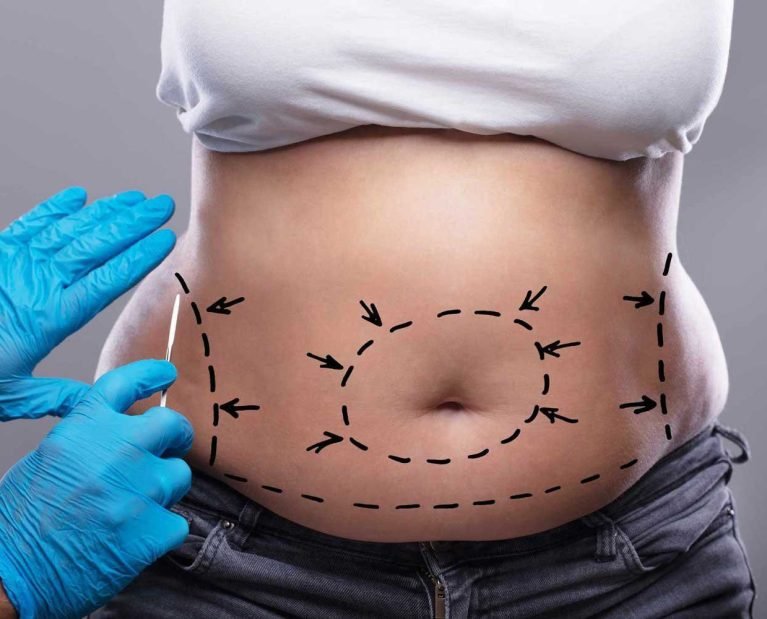
Abdominoplasty — commonly referred to as a belly contouring procedure — is a surgical procedure that directly addresses these structural issues. Unlike isolated fat removal, which removes fat alone, this operation goes deeper: the surgeon repairs weakened or separated abdominal muscles, removes excess sagging skin, and often repositions the navel to sit naturally within the newly contoured abdomen. The result is a flatter, firmer midsection that looks proportional to the rest of your body.
The procedure is particularly popular among women who have completed their families and are left with post-pregnancy changes, as well as individuals who have undergone bariatric surgery and are dealing with significant excess skin after reaching their weight-loss goals. Good candidates are non-smokers at a stable weight who understand that this is a body-contouring operation, not a weight-loss solution.
The UAE offers some of the most advanced body contouring facilities in the world, staffed by surgeons trained in the latest abdominal rejuvenation techniques. SurgeryDubai connects patients with SafePlast-certified specialists who deliver meticulous, individualised care — from the initial consultation through full recovery — ensuring outcomes that are both aesthetically pleasing and structurally sound.
Not all abdominal rejuvenation procedures are the same, and selecting the correct approach is essential for achieving the best possible result.
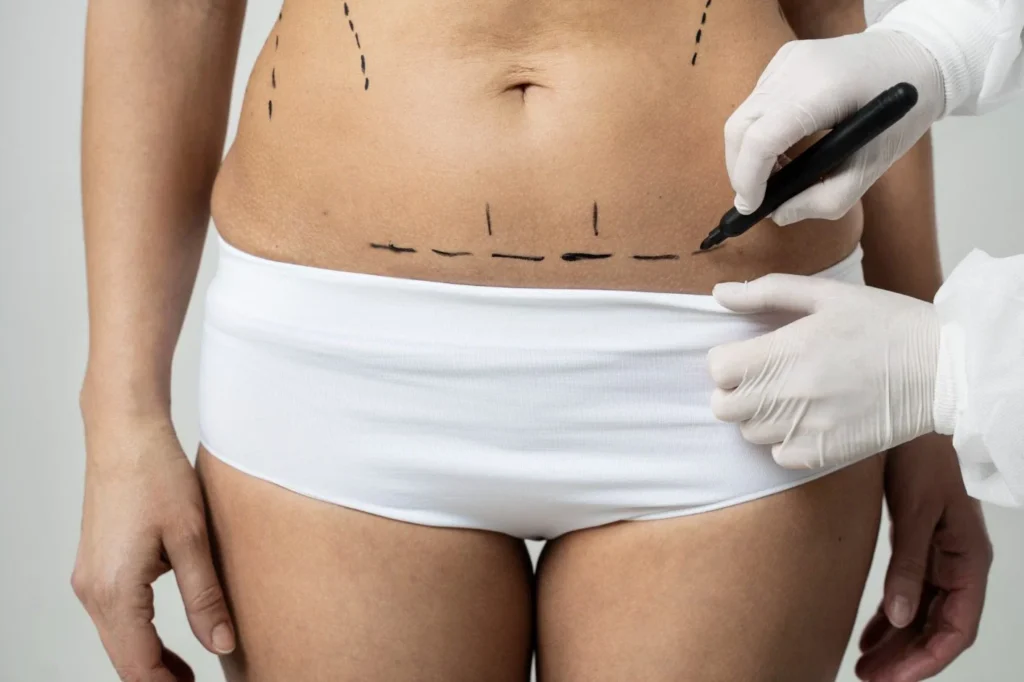
Full abdominoplasty: The most comprehensive option. A horizontal incision is made low on the abdomen — typically from hip to hip, positioned so the resulting scar can be concealed beneath underwear or swimwear. The surgeon lifts the entire abdominal skin flap up to the ribcage, repairs separated muscles by suturing them together in the midline (a process called plication), removes excess skin and fat, and repositions the umbilicus (belly button) through a new opening in the re-draped skin. A full approach is appropriate when the entire abdomen shows laxity and significant muscle separation is present.
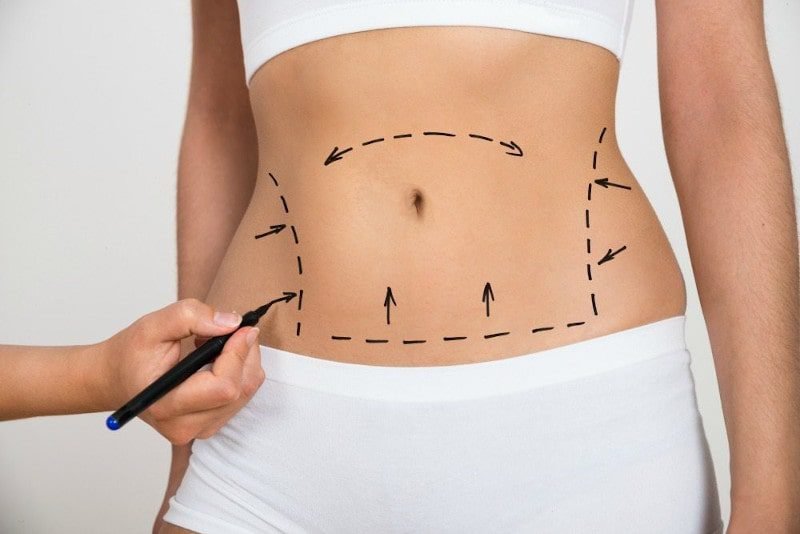
Mini abdominoplasty: A more limited procedure for patients whose concerns are confined to the lower abdomen — below the navel. The incision is shorter, the navel is not repositioned, and only the lower abdominal muscles may require repair. Recovery is faster, and the operation is sometimes combined with targeted fat removal of the upper abdomen or flanks for a more complete result.
Extended abdominoplasty: Designed for patients — often post-bariatric individuals — who have significant excess skin and fat extending beyond the abdomen to the flanks and lower back. The incision wraps further around the torso, allowing the surgeon to remove a greater surface area of redundant tissue. This approach produces a dramatic improvement but carries a longer recovery period.
Removes excess skin and tightens muscles for a smooth, flat stomach.
Corrects diastasis recti — separated abdominal muscles common after pregnancy.
Tightened core muscles can improve posture and reduce lower back pain.
Wear fitted clothing with confidence. Results are dramatic and long-lasting.
On the morning of surgery, you will arrive at the surgical centre having fasted for at least six to eight hours. After the anaesthetist reviews your medical history and the surgical plan is confirmed, general anaesthesia is administered. This is not a procedure performed under local anaesthesia due to the extent of tissue dissection involved.
Once you are fully anaesthetised, the surgeon makes the planned incision along the lower abdomen. The skin and fat layer are carefully lifted upward to expose the rectus muscles (the paired vertical muscles of the abdominal wall). If these muscles have separated — which is extremely common after pregnancy or substantial weight loss — they are brought together and tightly sutured from the sternum down to the pubic bone, restoring a firm, flat core.
Excess skin and fat are then excised, and the remaining skin flap is pulled downward and secured. A new opening is created for the umbilicus, which is then brought through and sutured into a natural-looking position. One or two drainage tubes are placed to prevent fluid accumulation, and a compression garment is applied. The procedure typically takes two to four hours, after which you are transferred to the recovery suite for close monitoring before being discharged — usually after an overnight stay.
Days 1–3: Drain tubes are in place, and a compression garment is worn around the clock. You will be encouraged to walk gently within the first 24 hours to promote circulation and reduce the risk of blood clots. Pain and tightness across the abdomen are expected and managed with prescribed medication. You will likely need to sleep in a slightly flexed (bent-forward) position to reduce tension on the incision.
Days 4–14: Drain tubes are typically removed between day five and ten, once the output falls below a threshold set by your surgeon. Walking tolerance improves steadily, though you should continue to avoid standing fully upright or any activities that strain the abdominal repair. Most patients can manage daily self-care independently by the end of the first week.
Weeks 3–6: You can usually return to light, non-physical work. The compression garment continues to provide support. Driving may be permitted once you are off prescription pain medication and can perform an emergency stop without discomfort. Heavy lifting and vigorous exercise remain off-limits.
Weeks 8–12: Full activity is gradually resumed under the surgeon’s guidance. The abdominal scar begins to fade from pink to a flatter, lighter tone. Final contour becomes apparent as residual swelling settles. Most patients describe feeling stronger and more confident in their appearance by this stage.
After general anaesthesia is established, the surgeon creates a low, horizontal incision spanning the width of the lower abdomen. The placement is carefully planned to sit within the bikini line, ensuring the resulting scar remains hidden under most clothing.
Through this incision, the skin and subcutaneous fat are dissected free from the underlying muscle layer and lifted upward — in a full abdominoplasty, all the way up to the ribcage. The surgeon then inspects and repairs the abdominal wall: the separated rectus muscles are brought together in the midline using a series of strong, permanent sutures, eliminating the bulge caused by diastasis recti and restoring core integrity.
With the muscle repair complete, the surgeon trims the excess skin and fat that can no longer be smoothed back over the tightened abdomen. The remaining skin flap is pulled tautly downward, and the umbilicus is repositioned through a newly created opening. In a mini procedure, this step is simplified: the incision is shorter, less skin is removed, and the navel remains in its original position. The incisions are closed in multiple layers, drains are inserted, and the compression garment is applied. Surgical time ranges from two to four hours.

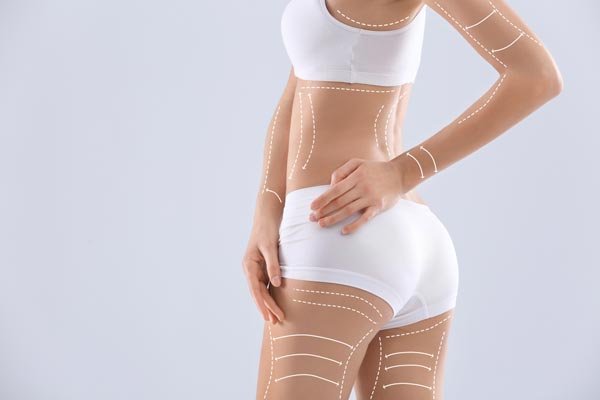
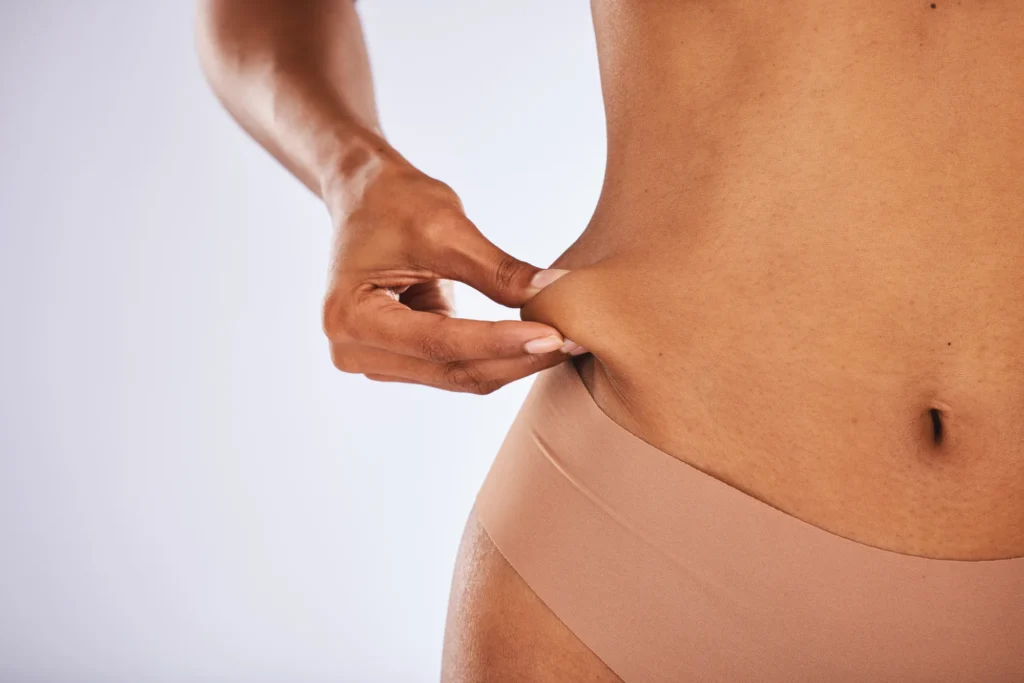
How much does a tummy tuck cost?
Abdominal contouring surgery pricing reflects the complexity of the procedure and the scope of the correction required. A mini version costs less than a full abdominoplasty, and an extended procedure — which addresses the flanks and back — is at the higher end. Additional factors include the extent of muscle repair needed, whether concurrent fat removal of adjacent areas is performed simultaneously, the surgeon’s credentials, and the facility’s accreditation level. In the UAE, patients can expect to invest between AED 25,000 and AED 65,000+, with extended or combined surgeries reaching the upper portion of that range. Your matched specialist provides a comprehensive, transparent quote during consultation — covering the surgeon’s fee, anaesthesia, hospital or day-surgery facility costs, overnight stay, and all post-operative follow-up visits.
Recovery Timeline
Excess abdominal skin and weakened core muscles are not aesthetic complaints you should have to accept as permanent. Whether the changes followed pregnancy, significant weight loss, or simply years of gravity taking its toll, a well-planned abdominal contouring procedure can restore a flatter, firmer silhouette and dramatically improve how your clothes fit and how you feel in your own skin. The quality of the outcome depends above all on the skill and experience of your surgeon. SurgeryDubai simplifies this critical choice by matching you with SafePlast-certified specialists who meet rigorous standards for safety, technique, and patient satisfaction. The matching service is free, confidential, and puts you under no obligation. Request your personalised surgeon match today and take the first step towards reclaiming your body with confidence.