Wound Treatment in Dubai
“Every scar tells a story — and modern medicine gives you the power to write the next chapter.”
Advanced tissue repair encompasses a broad spectrum of specialized medical care designed to manage acute injuries, surgical incisions, chronic non-healing lesions, and burn trauma with the goal of promoting optimal healing while minimizing scar formation. Whether the damage resulted from an accident, a surgical procedure, a chronic condition such as diabetes, or a thermal injury, the principles of expert management remain the same: thorough assessment, evidence-based intervention, vigilant infection prevention, and a structured approach to functional and aesthetic recovery.
The need for specialized care arises when standard first aid or basic medical management is insufficient to achieve satisfactory healing. Factors that complicate recovery include poor circulation, compromised immune function, nutritional deficiencies, advanced age, diabetes, and the presence of infection. In these situations, damaged tissue may stall in the inflammatory phase, fail to close, or heal with excessive scarring that affects both appearance and mobility. Specialized management addresses these barriers through a combination of surgical, technological, and therapeutic interventions.
The medical infrastructure available for complex tissue repair has advanced significantly, offering patients access to technologies that were unavailable even a decade ago. From bioengineered tissue substitutes and negative-pressure therapy to precision laser scar revision and minimally invasive surgical closure techniques, the modern healing toolkit is both comprehensive and highly effective. Early intervention by a qualified specialist dramatically improves outcomes, reduces treatment duration, and minimizes the long-term visibility of scarring.
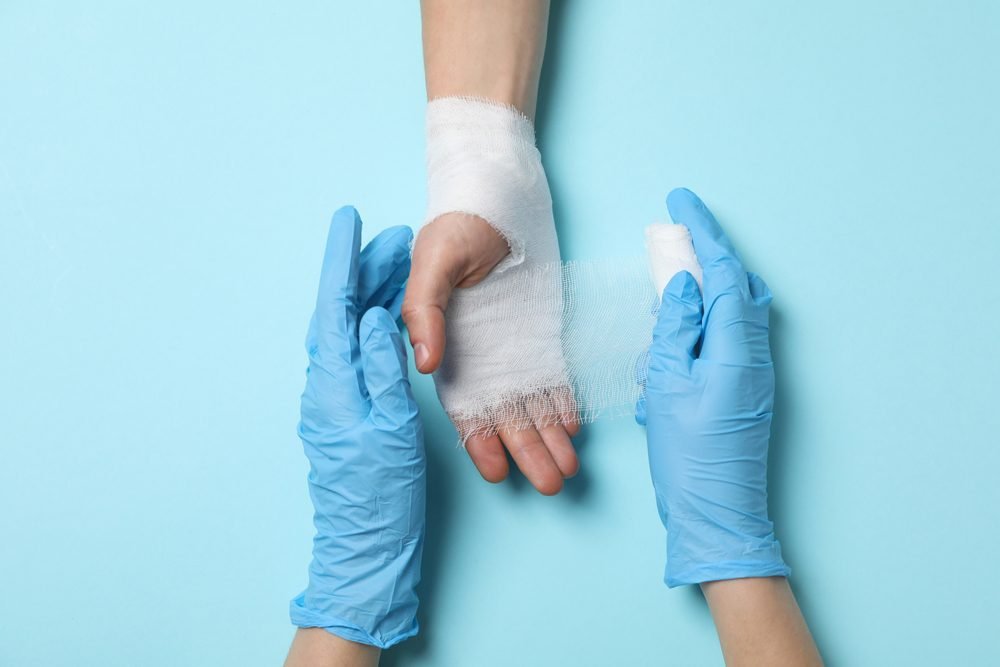
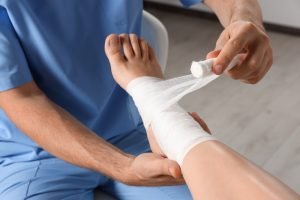
Contemporary management employs a range of specialized techniques, each selected based on the injury type, location, severity, and the patient’s overall health status. Surgical debridement — the precise removal of dead, damaged, or infected tissue — is often the first step in creating an environment conducive to healing. This may be performed using traditional surgical instruments, enzymatic agents, or advanced ultrasonic debridement technology, depending on the specific characteristics of the affected area.
Negative-pressure therapy, commonly known as vacuum-assisted closure, applies controlled suction to the affected bed through a sealed dressing. This technique accelerates healing by promoting blood flow, reducing edema, removing excess fluid, and drawing the tissue edges together. For larger defects or areas where skin has been lost, grafting — using the patient’s own tissue (autograft), donor tissue (allograft), or bioengineered substitutes — provides permanent coverage and accelerates the closure process. Advanced dressings incorporating antimicrobial agents, growth factors, or specialized matrices further support the healing environment and reduce the frequency of dressing changes.
Significant reduction in scar visibility through surgical and non-surgical techniques.
Release of contracture scars that limit movement or cause discomfort.
Laser, micro-needling, steroid injections, and surgical revision available.
SafePlast-certified surgeons with reconstructive and wound care expertise.
The treatment process begins with a comprehensive assessment that goes well beyond visual inspection. The specialist evaluates the injury’s dimensions, depth, and tissue composition; assesses surrounding skin condition and vascular supply; identifies any signs of infection or necrosis; and reviews the patient’s complete medical history to identify systemic factors that may impede recovery. Diagnostic imaging, laboratory tests, and vascular studies may be ordered to gather additional information.
Based on this assessment, a personalized treatment plan is developed that outlines the specific interventions required, the anticipated timeline for healing, and the criteria for progression through each phase of care. Closure techniques vary widely — from primary surgical closure with meticulous layered suturing for clean incisions, to progressive strategies such as tissue expansion or serial excision for larger defects. Throughout the process, the affected area is regularly measured and photographed to track progress, and the plan is adjusted in response to the healing trajectory.
The healing timeline varies enormously depending on the injury’s nature, size, location, and the patient’s individual health profile. Simple surgical incisions in healthy patients may heal within ten to fourteen days, while complex chronic conditions can require weeks or months of dedicated management. Regardless of the timeline, structured follow-up care is essential for achieving the best possible outcome.
Regular follow-up appointments allow the specialist to monitor healing progress, detect complications early, and adjust the treatment plan as needed. Infection prevention is a priority throughout the process, achieved through proper hygiene, appropriate use of topical or systemic antibiotics when indicated, and patient education on home care. Once the area has closed, attention shifts to scar management. Techniques such as silicone sheeting, pressure therapy, steroid injections for hypertrophic or keloid scars, and laser resurfacing are employed during the maturation phase — which can last up to twelve to eighteen months — to ensure the flattest, least visible, and most functional scar possible.
Comprehensive management is a collaborative, multi-phase process that extends from the moment of injury through final scar maturation. The initial acute phase focuses on stabilizing the affected area, controlling bleeding if present, preventing infection, and preparing the tissue bed for healing. This may involve emergency surgical intervention, thorough irrigation and debridement, and the application of appropriate dressings or temporary closures.
The subsequent repair phase is guided by regular assessments and documented through measurements, photography, and clinical notes. As the area begins to close, the focus shifts to optimizing the quality of healing — ensuring that the new tissue is strong, well-vascularized, and minimally scarred. Advanced modalities such as laser therapy, silicone-based scar management, and carefully timed surgical revisions are deployed as the tissue matures. The final phase involves a comprehensive outcome review, where the specialist and patient evaluate the functional and aesthetic results and discuss any additional procedures that may further improve the outcome. Throughout every phase, patient education and active participation in the care plan are essential for success.
How much does scar revision cost?
The cost of advanced treatment depends on a number of variables, including the type and complexity of the condition, the duration of care required, the specific technologies and techniques employed, and whether surgical intervention is necessary. Acute surgical management and simple scar revision typically represent a more straightforward investment, while chronic care involving extended treatment courses, specialized dressings, or multiple procedures requires a greater commitment. During your initial assessment, the specialist provides a detailed plan with transparent cost estimates for each phase of care. Many protocols are partially covered by health insurance, particularly when the condition results from a medical issue or surgical procedure.
Recovery Timeline
Expert tissue repair requires specialized knowledge, advanced technology, and a patient-centered approach. Our platform connects you with experienced specialists and reconstructive surgeons who are equipped to handle the full spectrum of care — from acute surgical repair to complex chronic treatment and advanced scar revision. Submit your consultation request, and we will match you with qualified professionals who can assess your situation and develop a comprehensive, evidence-based plan tailored to your needs.