Otoplasty (Ear Surgery) in Dubai
“Your ears frame your face — and small, expert adjustments can create a beautiful harmony that lasts a lifetime.”
Prominent, asymmetrical, or oversized ears can be a source of self-consciousness that begins in early childhood and persists well into adulthood. For children, ear deformities often attract unwanted teasing from peers that can leave lasting emotional scars. For adults, the awareness that their ears protrude or appear disproportionate may affect hairstyle choices, reluctance to wear certain clothing, and an overall sense of dissatisfaction with their facial profile.
Ear reshaping surgery — clinically known as pinnaplasty or auricular correction — is a highly effective, low-risk procedure that permanently repositions and reshapes the ears to create a balanced, natural appearance. The surgery is most commonly performed to pin back ears that project too far from the head, but it is equally effective at correcting a wide range of structural concerns including folded ear tips (lop ear), cupped ears, shells ears, and ears that are disproportionately large in relation to the rest of the face.
One of the most appealing aspects of this procedure is that it can be performed safely on children as young as five years old — typically the recommended minimum age, as the ear cartilage has reached sufficient maturity by this point while the child is young enough to avoid years of social discomfort. For adult patients, the procedure is straightforward and delivers equally impressive results, with the added advantage that mature patients can provide detailed input about their aesthetic goals.
Through a trusted patient-matching platform, you can connect with surgeons who have extensive experience in both pediatric and adult ear correction, using the latest minimally invasive techniques to ensure minimal scarring, rapid recovery, and beautifully harmonious results.
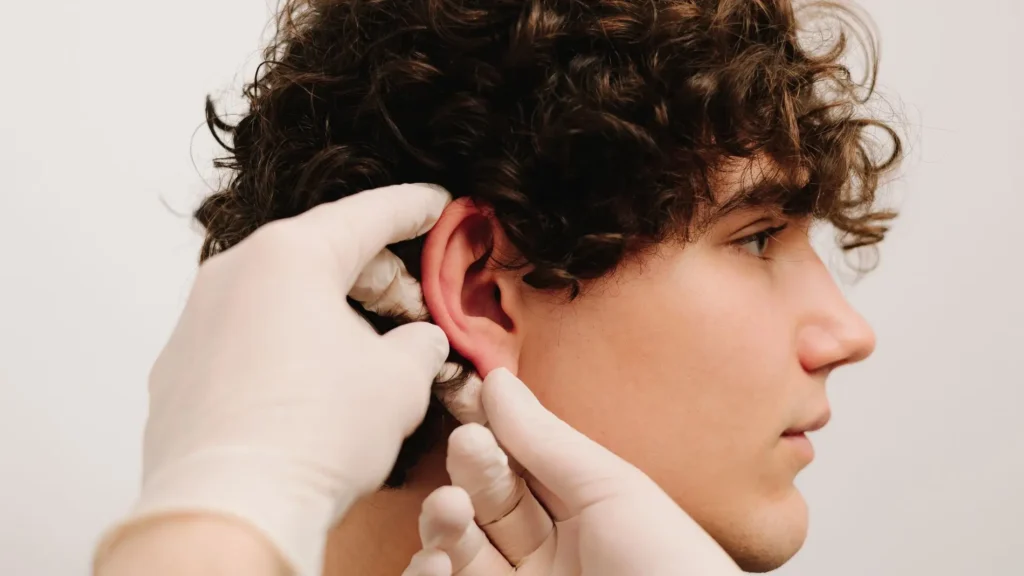
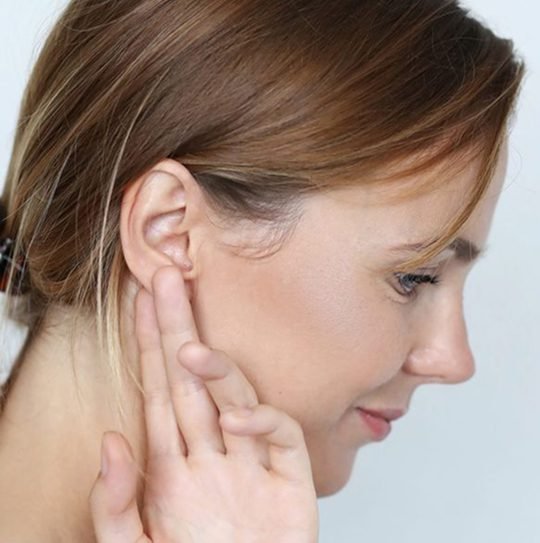
Ear pinning (setback technique) is the most commonly performed approach for prominent ears. The surgeon makes a small incision behind the ear in the natural skin fold where it meets the head — a location that ensures any resulting scar is virtually invisible. Through this incision, the cartilage is carefully reshaped using one of several established techniques.
Cartilage scoring involves making precise, shallow cuts on the front surface of the cartilage to weaken it in specific directions, allowing it to bend naturally into a more favorable position. Cartilage weakening uses abrasion or selective thinning to achieve a similar effect. Suture technique relies on permanent internal stitches placed at strategic points to fold and hold the cartilage in its new position without altering the cartilage itself — this approach is particularly favored for its predictability and reversibility.
Your surgeon will select the technique (or combination of techniques) that best suits your specific ear anatomy. Some patients require only suture placement, while others benefit from a combined approach that addresses both the antihelical fold and the conchal bowl for comprehensive correction.
Ears positioned at the natural angle and distance from the head.
Incisions placed behind the ear in the natural crease — virtually invisible.
Cartilage reshaping is permanent. Results last a lifetime.
Wear your hair up, try new hairstyles — without self-consciousness.
Ear correction is typically performed under local anesthesia with sedation for adult patients, keeping them relaxed and pain-free while allowing the surgeon to assess ear position with the patient upright during the procedure. General anesthesia is standard for young children to ensure they remain completely still and comfortable throughout.
The surgeon begins by making a carefully planned incision behind the ear, within the natural crease where it meets the scalp. Through this hidden access point, the ear cartilage is exposed and sculpted using the predetermined technique — whether scoring, suturing, or a combination. The surgeon precisely reshapes the antihelical fold to create a natural curve and may reduce a deep conchal bowl if it is contributing to excessive projection.
Once the desired contour is achieved, internal sutures secure the cartilage in its new position. The skin is then closed with fine dissolvable stitches, and a protective headband dressing is applied. The entire operation typically takes one to two hours for both ears, and patients return home the same day with detailed aftercare instructions.
Days 1–3: A protective headband dressing must be worn continuously to shield the ears and maintain their new position. Mild discomfort and throbbing are normal and easily managed with over-the-counter pain medication. Sleeping on the back with the head elevated is essential.
Days 4–14: The initial headband is replaced with a lighter one that must be worn continuously — including during sleep — for the first two weeks. After this period, nighttime-only headband wear continues for an additional four to six weeks. Any external sutures are removed around day seven.
Weeks 3–6: Swelling subsides substantially, and the ears begin to settle into their final position. Children can typically return to school within one to two weeks. Adults resume normal activities and non-contact exercise.
Weeks 8–12: Full healing is achieved. The ears feel completely natural, and any residual firmness in the cartilage resolves. Contact sports may be resumed with protective headgear.
Anesthesia: Local anesthesia with sedation is standard for adults, while general anesthesia is used for pediatric patients. Both approaches ensure complete comfort throughout the surgery.
Incision and exposure: A well-concealed incision is made in the postauricular sulcus — the natural skin fold behind the ear. This location ensures that any visible scarring is essentially nonexistent once healing is complete.
Cartilage reshaping: The surgeon employs the selected technique — suturing, scoring, or a combination — to reshape the cartilage framework. The antihelical fold is recreated or enhanced to bring the ear closer to the head, and the conchal bowl may be reduced if needed.
Securing and closure: Permanent internal sutures hold the reshaped cartilage in place. The skin is closed with fine, dissolvable sutures, and a protective dressing is applied to maintain the corrected position during initial healing.
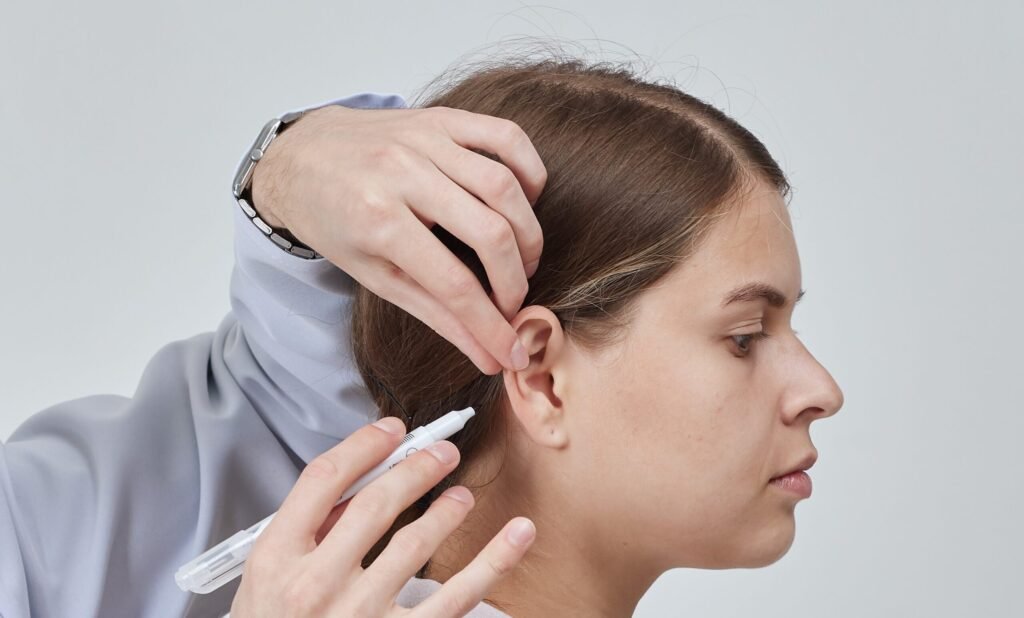
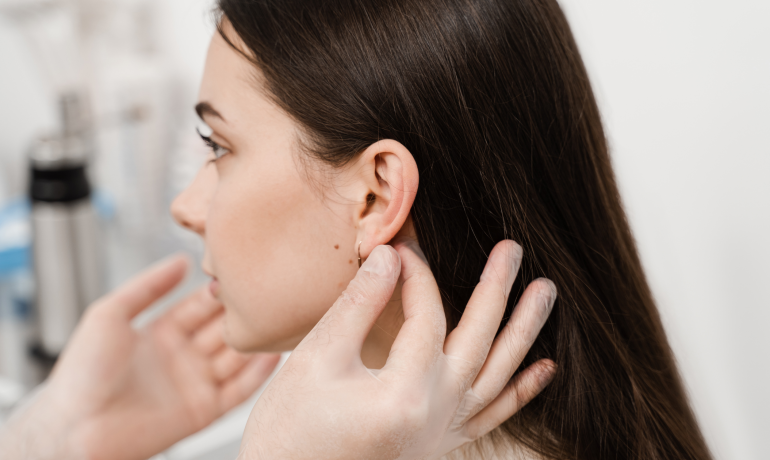
How much does otoplasty cost?
Pricing depends on whether one or both ears require correction and the complexity of the reshaping needed. Unilateral procedures (one ear) are less costly than bilateral correction. Cases involving significant cartilage deformity, reconstruction of missing folds, or revision of a previous surgery may require more operative time and therefore carry a higher cost. Additional factors include the surgeon’s expertise, the anesthesia approach, and facility fees. Your matched specialist will provide a clear, itemized quote during your initial consultation based on your specific needs.
Recovery Timeline
Your face deserves a frame that complements it perfectly — and expert ear correction can make a difference that lasts a lifetime, whether for you or your child. SurgeryDubai connects you with SafePlast-certified surgeons who specialize in both adult and pediatric ear reshaping, using the most advanced, minimally invasive techniques available. Your consultation is complimentary, and every recommendation is tailored to your unique ear anatomy and aesthetic goals. Take the first step toward greater confidence — get matched with a leading ear surgery specialist today.