Thigh Lift in Dubai
“Your legs carry you through life — give them the care they deserve. When loose skin holds you back from feeling your best, body contouring can be the key to renewed self-assurance.”
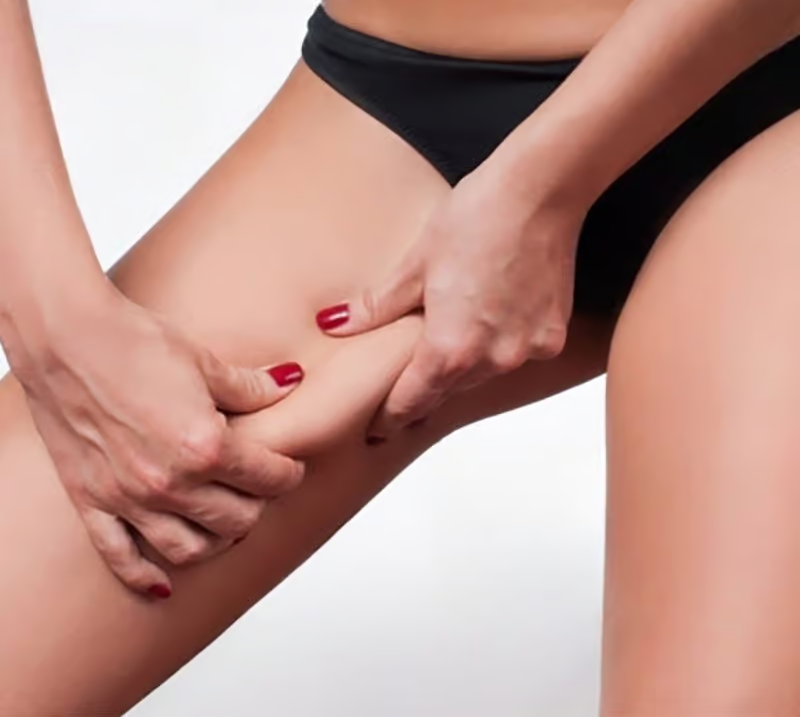
Excess, sagging skin on the upper legs is a common concern that affects many people, particularly after significant weight loss, pregnancy, or as a natural part of aging. When skin loses its elasticity, it can hang loosely around the thighs, causing discomfort during physical activity, persistent chafing between the legs, and reluctance to wear clothing that reveals the lower body. Thighplasty — commonly referred to as a leg contouring procedure — is a surgical solution designed to remove this redundant tissue and restore a firmer, more proportionate silhouette.
Ideal candidates for this type of body contouring include individuals who have maintained a stable weight for at least six months, are in good general health, and have realistic expectations about what surgery can achieve. It is not a weight-loss procedure but rather a refinement for those who have already put in the effort to reach a healthy weight and now wish to address the remaining loose skin that diet and exercise alone cannot correct.
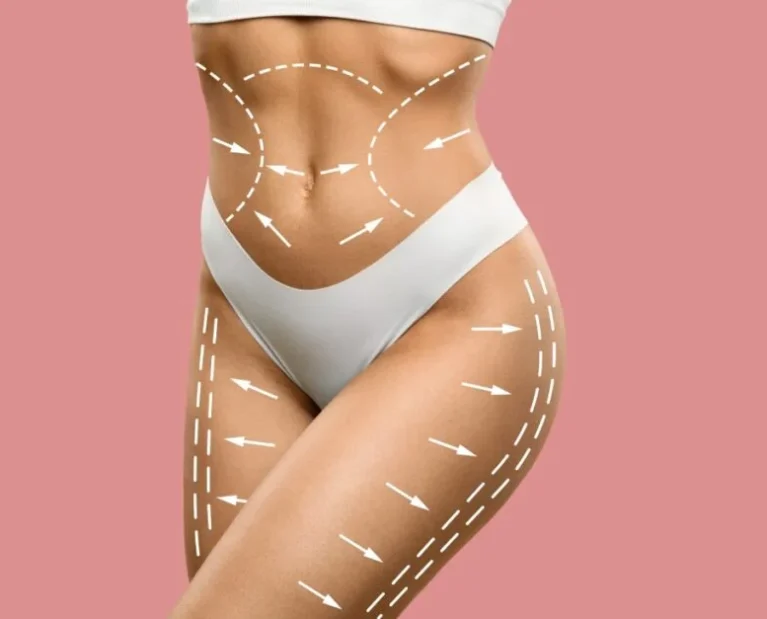
The procedure can target the inner thighs, outer thighs, or both, depending on where excess tissue is most prominent. Inner thigh surgery focuses on the medial area where chafing is most common, while an upper leg lift addresses sagging along the outer contour and hip region. Some patients benefit from a combination approach that includes liposuction to remove localized fat deposits before skin excision, resulting in smoother, more natural-looking contours.
SurgeryDubai connects patients with board-certified surgeons who specialize in SafePlast-accredited body contouring. Every matched provider is vetted for credentials, patient outcomes, and commitment to safety standards, so you can explore your options with confidence and peace of mind.
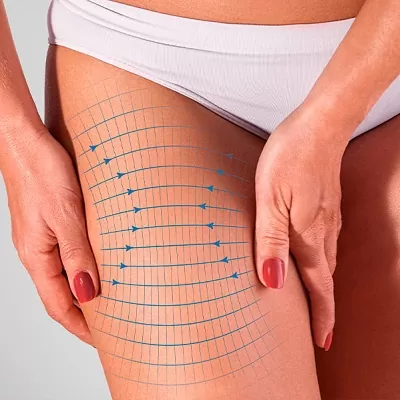
Selecting the right surgical technique is essential for achieving balanced results that look natural and harmonize with your overall body shape. An inner (medial) thighplasty targets loose skin along the inside of the upper leg using a carefully placed incision within the groin crease, where it remains well-concealed. This approach is ideal for patients whose primary concern is chafing and sagging in the medial thigh area.
An outer (lateral) thigh lift addresses drooping along the outer thigh and hip, with an incision that extends from the groin around the side of the hip. This is often combined with a lower body lift for patients who have undergone massive weight loss and need comprehensive contouring across multiple areas. A vertical technique uses a longer incision along the inner thigh for cases where significant skin excess requires more extensive removal.
Many surgeons recommend combining skin excision with liposuction to refine the overall shape. Liposuction removes stubborn fat deposits that contribute to bulk, while the excision component addresses the overlying lax skin. Together, these techniques produce smoother, more defined leg contours.
Eliminates sagging skin for firm, toned thighs.
Removes excess tissue that causes skin irritation and discomfort.
Incisions hidden in the groin crease or natural body contours.
Creates balanced, proportionate legs that complement your overall figure.
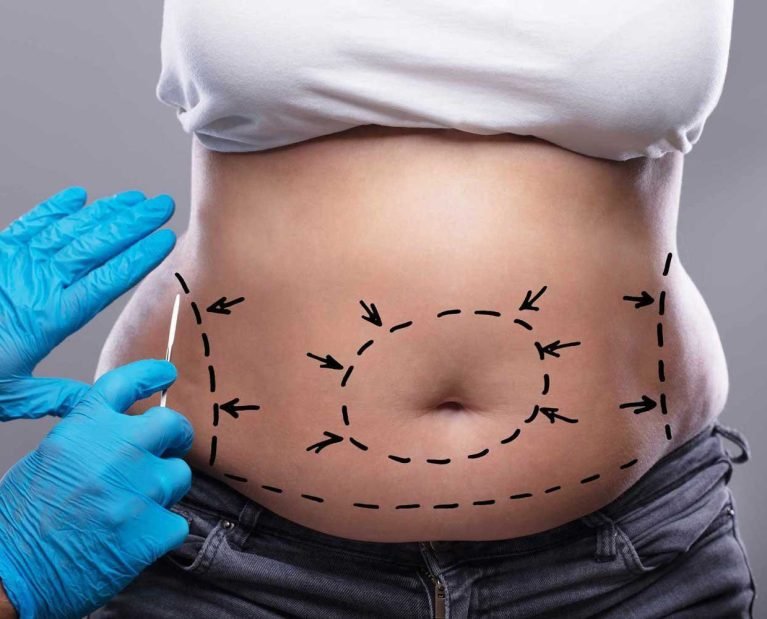
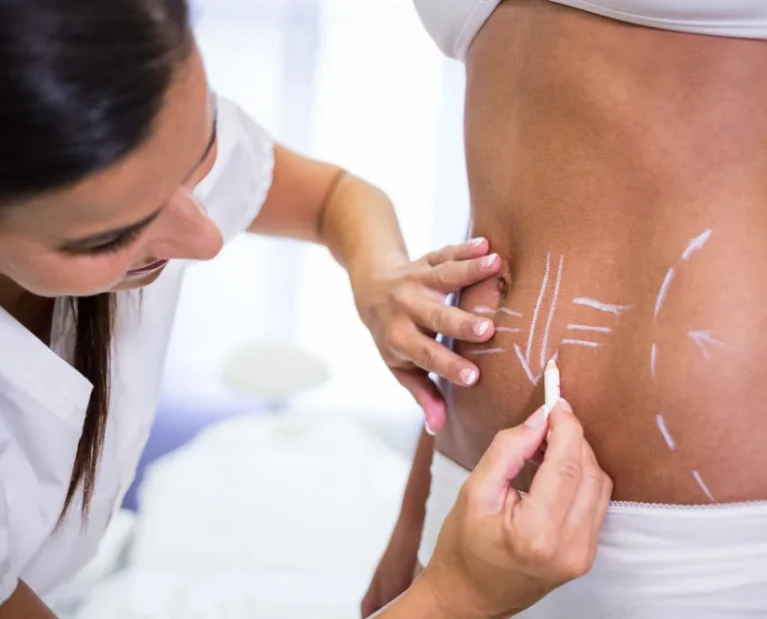
Leg contouring surgery is typically performed under general anesthesia and takes between two and four hours depending on the scope of the procedure. Before surgery begins, the surgeon marks the planned incision lines while you are standing to account for how gravity affects tissue positioning.
For an inner approach, the incision is placed within the natural fold of the groin crease. The surgeon then carefully lifts the skin and underlying tissue, removes the excess, and re-drapes the remaining skin before securing it with sutures. Drainage tubes may be placed to prevent fluid accumulation during early healing.
When liposuction is combined, fat is first removed through small cannula incisions before the skin excision takes place. This two-step approach allows the surgeon to sculpt a more precise contour. Once the tissue work is complete, the incisions are closed with layered sutures, and a compression garment is applied to minimize swelling and support the healing tissues as they settle into their new position.
Recovery after leg contouring follows a gradual but predictable timeline. During the first three days, patients wear a compression garment continuously and are encouraged to walk short distances to promote circulation. Swelling, bruising, and soreness are normal and managed with prescribed medication.
By the end of the first two weeks, most patients can resume light daily activities and return to non-strenuous work. Strenuous exercise, heavy lifting, and vigorous leg movements should be avoided for at least six weeks to allow the internal tissues to heal properly. The compression garment is typically worn for four to six weeks to help the skin conform to its new contours and minimize fluid retention.
Final results become visible as swelling fully resolves over three to six months, revealing smoother, firmer leg contours that can be maintained long-term with a stable weight and regular activity.
The complete surgical process begins with a thorough pre-operative consultation, during which your matched surgeon evaluates your skin quality, the degree of tissue laxity, and your overall health. Medical history, current medications, and lifestyle factors are reviewed to ensure you are a safe candidate for surgery. Pre-surgical imaging or measurements may be taken to plan the optimal incision placement and tissue removal volume.
On the day of surgery, anesthesia is administered, and the procedure is carried out according to the pre-approved plan. The surgeon works meticulously to remove only the necessary amount of tissue while preserving natural contours. Incision closures use advanced techniques to minimize visible scarring, and absorbable or removable sutures are placed in layers for strong, aesthetic wound healing.
Post-operative follow-up appointments are scheduled to monitor healing, remove drains if used, and assess the early results. Your surgeon provides detailed aftercare instructions covering wound care, garment use, activity progression, and signs to watch for during recovery. Full recovery typically spans three to six months, with most patients expressing high satisfaction with their transformed leg appearance.


How much does a thigh lift cost?
Pricing for leg contouring varies based on several factors, including whether the inner, outer, or both areas are treated, the extent of skin removal required, and whether liposuction is performed as a complementary step. An inner-only procedure generally costs less than a combined inner and outer approach, while a vertical thighplasty for post-weight-loss patients typically represents a higher investment due to the increased surgical complexity and operating time.
Additional cost considerations include the surgeon’s fee, facility charges, anesthesia, and post-operative garments. SurgeryDubai provides transparent pricing breakdowns from multiple board-certified providers so you can compare options and select the best fit for your goals and budget.
Recovery Timeline
Firm, contoured legs can transform not just your appearance but your quality of life — eliminating discomfort, boosting confidence in everyday clothing, and opening the door to activities you may have avoided. SurgeryDubai makes the process of finding the right specialist simple, transparent, and stress-free.
Our platform matches you with vetted, SafePlast-accredited surgeons who have proven track records in body contouring procedures. You will receive personalized treatment plans, honest cost estimates, and dedicated support from initial consultation through full recovery. Take the first step toward the legs you deserve — connect with a trusted specialist today.