Related Procedures
Gastric Bypass vs Sleeve Gastrectomy: Two Paths to Lasting Weight Loss
For patients struggling with severe obesity in Dubai, bariatric surgery offers a proven path to significant, sustained weight loss and improved health. Two procedures dominate the field: Roux-en-Y gastric bypass and sleeve gastrectomy. While both restrict food intake, they work through fundamentally different mechanisms, and choosing between them depends on your BMI, medical history, and long-term goals. At Surgery Dubai, our bariatric surgeons perform both procedures regularly and guide each patient toward the option that best suits their clinical profile.
How Sleeve Gastrectomy Works
Sleeve gastrectomy removes approximately 75-80% of the stomach along its greater curvature, leaving a narrow tubular “sleeve” that holds roughly 100-150 mL. By removing the fundus—the stomach’s stretchiest portion—the procedure dramatically reduces the volume of food you can consume at one sitting. Critically, it also removes the tissue that produces ghrelin, the hormone primarily responsible for hunger signals, which is why most patients experience a significant reduction in appetite after surgery.
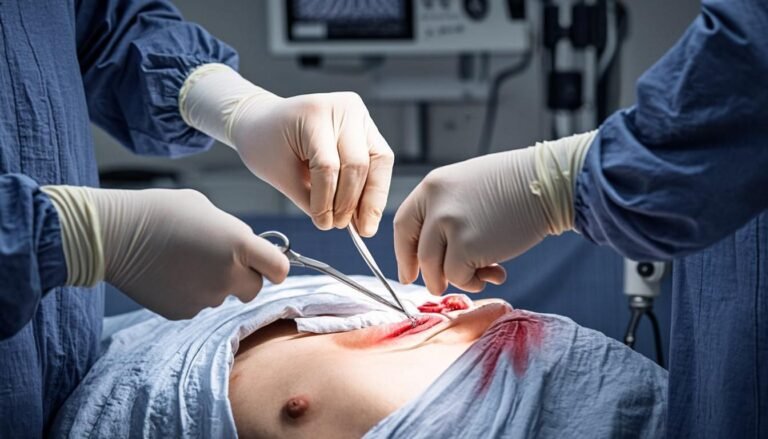
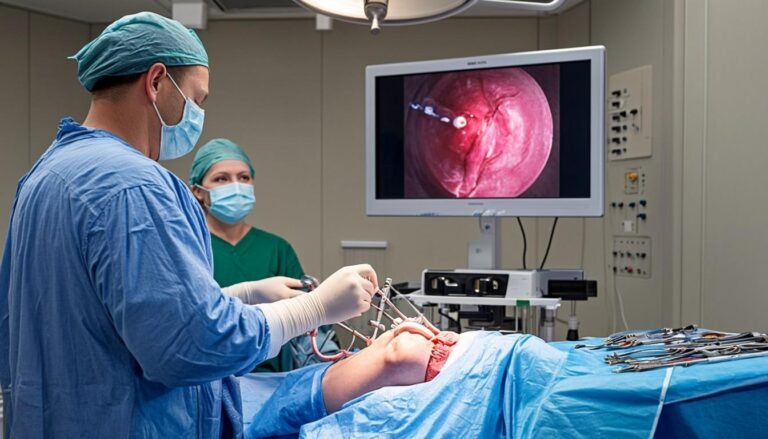
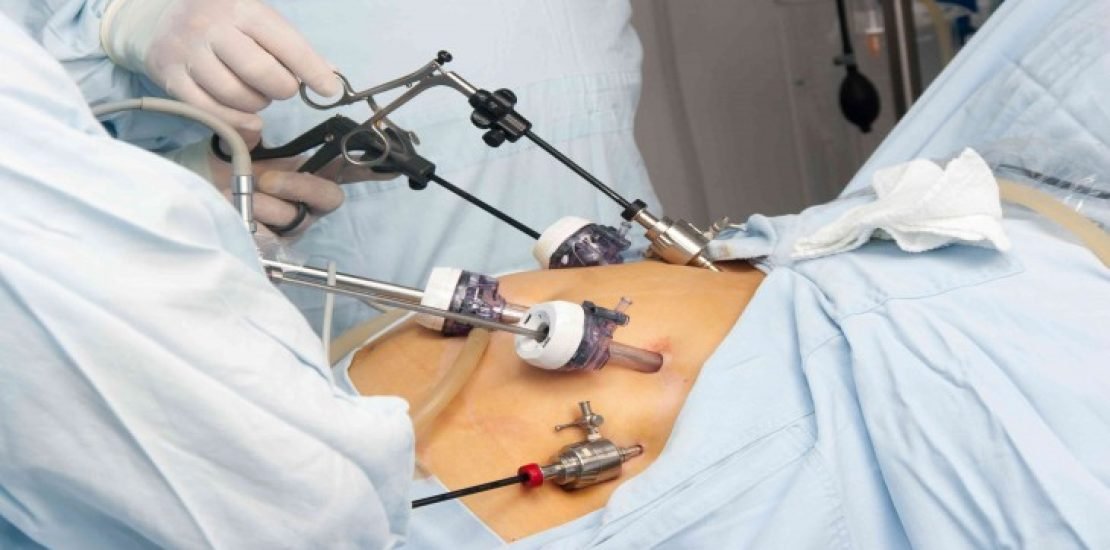
The procedure takes 60-90 minutes under general anesthesia and is performed laparoscopically through five small incisions. Most patients leave the hospital within 24-48 hours. Weight loss typically reaches 60-70% of excess body weight within 12-18 months.
How Gastric Bypass Works
Roux-en-Y gastric bypass creates a small pouch from the upper stomach (approximately 30 mL) and connects it directly to the jejunum, bypassing the remaining stomach and duodenum. This dual mechanism—restriction plus malabsorption—produces more dramatic weight loss and greater metabolic improvement than sleeve gastrectomy alone.
The procedure takes 90-120 minutes laparoscopically. Patients typically stay 2-3 days in hospital. Weight loss generally reaches 70-80% of excess body weight within 12-18 months. Gastric bypass also produces more rapid improvement in type 2 diabetes—many patients see normal blood sugar levels within days of surgery, before significant weight loss occurs, due to hormonal changes in the gut.
Key Differences Between the Two Procedures
Weight Loss Outcomes
Gastric bypass typically produces 10-15% greater excess weight loss compared to sleeve gastrectomy over the long term. However, both procedures achieve clinically meaningful results, and adherence to dietary and lifestyle changes matters more than the procedure choice for most patients.
Diabetes Resolution
Gastric bypass achieves remission of type 2 diabetes in approximately 80% of patients, compared to roughly 60% for sleeve gastrectomy. For patients with poorly controlled diabetes, bypass may be the preferred option.
Nutritional Requirements
Both procedures require lifelong vitamin and mineral supplementation, but gastric bypass demands more rigorous monitoring due to the malabsorptive component. Bypass patients need regular blood tests for iron, B12, calcium, vitamin D, and folate deficiencies.
Revision and Reversibility
Sleeve gastrectomy is irreversible—the removed portion of the stomach cannot be restored. Gastric bypass can technically be reversed, though reversal surgery is complex and rarely performed. Sleeve patients who experience inadequate weight loss can be revised to a bypass in a second surgery.
Who Qualifies for Bariatric Surgery in Dubai
According to international guidelines followed by UAE surgeons, candidates typically meet these criteria:
- BMI of 40 or above (morbid obesity)
- BMI of 35-39.9 with at least one obesity-related condition (type 2 diabetes, hypertension, sleep apnea, severe joint disease)
- Failed previous non-surgical weight loss attempts documented over at least 6 months
- Age 18-65 (exceptions possible on a case-by-case basis)
- Psychological readiness and commitment to long-term lifestyle changes
Dubai’s DHA-licensed facilities also require a comprehensive pre-operative assessment including cardiac evaluation, sleep study, nutritional counseling, and psychological screening before surgery is approved.
Cost of Bariatric Surgery in Dubai
Bariatric surgery costs in Dubai vary by procedure and facility:
- Sleeve gastrectomy: AED 35,000 – AED 60,000
- Gastric bypass: AED 45,000 – AED 75,000
These figures typically include surgeon fees, anesthesia, hospital stay, and standard post-operative follow-up. Most DHA-compliant insurance plans provide coverage when bariatric surgery is deemed medically necessary, though pre-approval is required.
Recovery: What to Expect
Both procedures share a similar recovery trajectory in the first weeks. Patients follow a staged diet progression: clear liquids for the first few days, then full liquids, pureed foods, soft foods, and finally solid foods over 4-6 weeks. Light walking begins immediately after surgery to reduce blood clot risk. Most patients return to desk work within 2-3 weeks and full physical activity within 6-8 weeks.
Choosing the Right Procedure at Surgery Dubai
The decision between gastric bypass and sleeve gastrectomy should be made in consultation with an experienced bariatric surgeon who can evaluate your complete medical profile. At Surgery Dubai, we conduct thorough pre-operative assessments and discuss both options in detail so you can make an informed choice. Contact us to schedule a consultation with our bariatric team.