Related Procedures
Smoking and Surgical Outcomes: The Evidence Is Clear
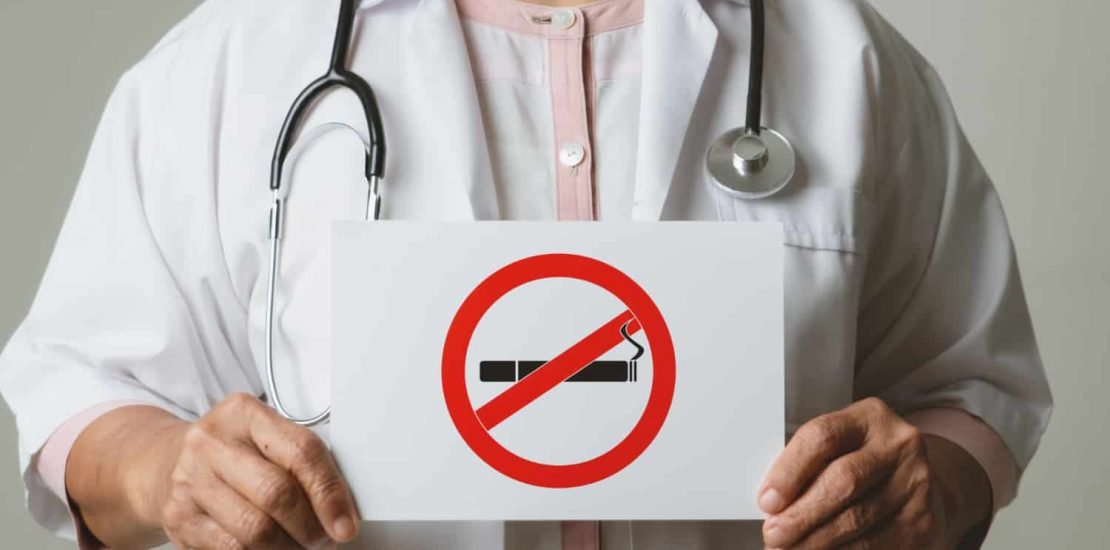
If you smoke and are planning surgery, quitting—even temporarily—is one of the most impactful things you can do to improve your outcome. Decades of research have established that smokers face significantly higher rates of surgical complications across virtually every procedure type. At Surgery Dubai, we strongly encourage smoking cessation before surgery and provide support to help patients through the process. Here is why it matters and what the data shows.
How Smoking Affects Surgical Healing
Nicotine and the thousands of other chemicals in cigarette smoke affect surgical outcomes through multiple mechanisms:
Reduced Oxygen Delivery
Carbon monoxide in cigarette smoke binds to hemoglobin 200 times more readily than oxygen, reducing the blood’s oxygen-carrying capacity by up to 15%. Nicotine constricts blood vessels, further reducing oxygen delivery to surgical wounds. Since wound healing is an oxygen-dependent process, tissues with poor oxygen supply heal more slowly and are more prone to infection and breakdown.
Impaired Immune Function
Smoking suppresses the immune system’s ability to fight infection. Smokers have impaired neutrophil function (the white blood cells that respond first to infection), reduced antibody production, and altered inflammatory responses. This translates to a 2-4 times higher risk of surgical site infection compared to non-smokers.
Delayed Wound Healing
Smoking reduces collagen synthesis and cross-linking, weakens the tensile strength of healing wounds, and impairs the formation of new blood vessels (angiogenesis). Surgical incisions in smokers heal more slowly, are more likely to separate (dehisce), and produce worse scarring.
Increased Cardiovascular Risk
The cardiovascular stresses of surgery—blood pressure fluctuations, heart rate changes, and fluid shifts—are amplified in smokers. Nicotine’s vasoconstrictive effects increase the risk of heart attack and stroke during and after surgery, particularly in patients with existing cardiovascular disease.
Respiratory Complications
Smoking irritates the airways, increases mucus production, and impairs the lung’s self-cleaning mechanism (mucociliary clearance). After general anesthesia, smokers are significantly more likely to develop pneumonia, bronchospasm, and atelectasis (collapsed lung segments). Post-operative coughing from airway irritation can strain surgical incisions.
The Numbers: Smoking’s Impact on Surgical Complications
- Surgical site infection: 2-4 times higher risk in smokers
- Wound healing complications: 3-6 times higher risk
- Bone healing delay: up to 40% longer to achieve union after orthopedic surgery
- Post-operative pneumonia: 2-5 times higher risk
- Intensive care admission: 2 times more likely after major surgery
- Hospital stay length: average 2 days longer for smokers
How Long Before Surgery Should You Quit
The benefits of smoking cessation begin within hours and increase with the duration of abstinence:
- 12-24 hours: carbon monoxide levels normalize, improving oxygen delivery by 10-15%
- 48-72 hours: nicotine is eliminated from the body; bronchial tubes begin to relax
- 1-2 weeks: respiratory complications risk decreases; mucus clearance improves
- 4-6 weeks: wound healing capacity approaches that of non-smokers; immune function improves significantly
- 6-8 weeks: the optimal pre-operative cessation period—most surgical complication risks approach non-smoker levels
At Surgery Dubai, we recommend a minimum of 4 weeks of smoking cessation before elective surgery, with 6-8 weeks being ideal. For emergency surgery, even 12-24 hours of abstinence provides measurable benefit.
Nicotine Replacement and Surgery
A common concern is whether nicotine replacement therapy (NRT)—patches, gum, or lozenges—carries the same surgical risks as smoking. While NRT does deliver nicotine (which causes some vasoconstriction), it eliminates carbon monoxide, tar, and the thousands of other harmful chemicals in cigarette smoke. Most surgical guidelines consider NRT an acceptable bridge during the peri-operative period, as the benefits of smoking cessation far outweigh the minimal risk from nicotine alone. Discuss NRT options with your surgeon at Surgery Dubai.
Practical Strategies for Quitting Before Surgery
- Set a quit date — schedule it at least 4-6 weeks before your surgery
- Tell your surgical team — we can adjust your care plan and provide additional support
- Consider medication — varenicline (Champix) and bupropion are prescription options that double your chances of quitting successfully
- Use NRT — patches, gum, and lozenges manage withdrawal symptoms
- Identify your triggers — plan alternatives for situations where you typically smoke
- Seek behavioral support — counseling combined with medication is the most effective approach
In the UAE, the Ministry of Health and Prevention operates quit-smoking clinics, and many are free of charge.
What If You Cannot Quit Completely
Even reducing smoking significantly improves outcomes. If complete cessation is not achievable, any reduction helps—especially in the crucial peri-operative period. Being honest with your surgical team about your smoking status allows us to take appropriate precautions and monitor you more closely. At Surgery Dubai, we never refuse surgery to smokers, but we do ensure you understand the risks and provide every resource to help you minimize them.