Related Procedures
Post-Sleeve Diet: The Most Important Part of Your Weight Loss Journey
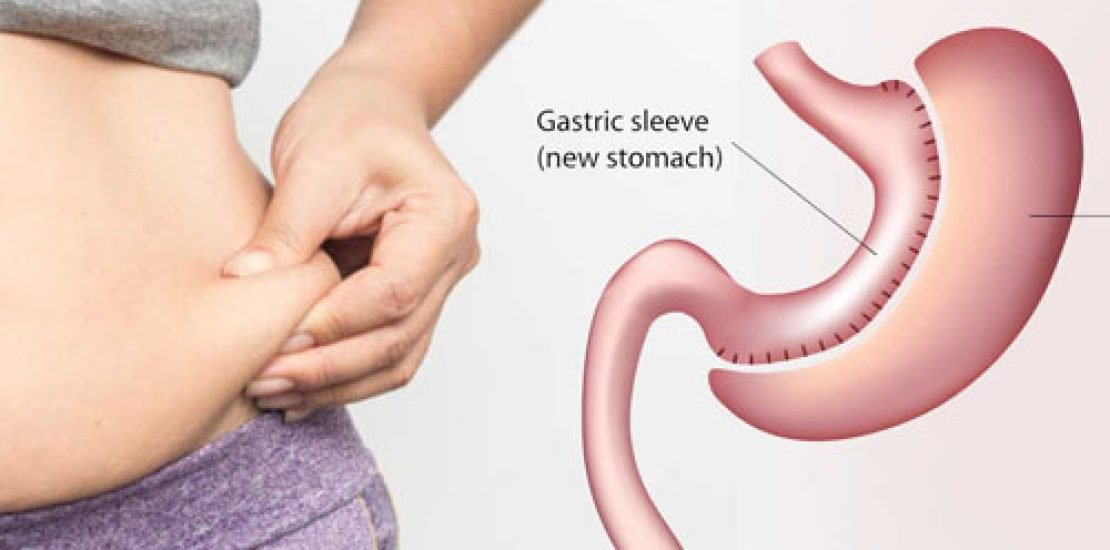
The dietary changes following sleeve gastrectomy are not temporary adjustments—they represent a permanent shift in how you relate to food. Your new stomach, roughly the size and shape of a banana, holds only 100-150 mL compared to the 1,000-1,500 mL capacity before surgery. Eating the wrong foods, too quickly, or in too-large quantities causes discomfort and can compromise your results. At Surgery Dubai, our bariatric dietitians guide you through every stage of this transition with practical, Dubai-specific meal plans.
Stage 1: Clear Liquids (Days 1-3)
Immediately after surgery, your stomach needs rest and gentle hydration. Sip slowly—no more than 30 mL (2 tablespoons) at a time. Wait at least 5-10 minutes between sips. Approved clear liquids include water, sugar-free juice (diluted 50:50), clear broth (chicken or vegetable), sugar-free gelatin, and decaffeinated tea.
Common mistake: Gulping fluids or using a straw (which introduces air and causes bloating). Sip from a small cup or medicine cup.
Stage 2: Full Liquids (Days 4-14)
Once clear liquids are well tolerated, you add protein-rich full liquids:
- Protein shakes (whey or plant-based, minimum 20g protein per serving, under 200 calories, less than 5g sugar)
- Skim milk or unsweetened almond milk
- Thin cream soups (no chunks)
- Sugar-free pudding or custard
- Plain yogurt (no fruit pieces)
Aim for 60-80g of protein daily through shakes and liquid supplements. Stay hydrated with 1.5-2 liters of sugar-free fluids per day. Do not drink anything with calories from sugar—this includes regular juice, soda, and sweetened beverages, which cause dumping-like symptoms and sabotage weight loss.
Stage 3: Pureed Foods (Weeks 3-4)
Food should be the consistency of smooth applesauce—no lumps, chunks, or stringy textures:
- Blended chicken, fish, or lean meat with broth
- Scrambled egg puree
- Mashed beans with yogurt
- Pureed steamed vegetables
- Cottage cheese or ricotta
Eating rules: Eat 3-4 meals of 60-120 mL each. Take 20-30 minutes per meal. Stop at the first feeling of fullness—overfilling causes pain and vomiting. Separate eating and drinking by 30 minutes.
Stage 4: Soft Foods (Weeks 5-6)
Foods should be soft enough to mash with a fork:
- Moist, flaky fish (salmon, tilapia)
- Ground turkey or chicken
- Scrambled or poached eggs
- Oatmeal and cream of wheat
- Canned fruit in natural juice (no syrup)
- Well-cooked soft vegetables (carrots, zucchini, squash)
Protein should make up at least half of every meal. Continue taking 20-30 minutes to eat, and chew each bite 20-30 times before swallowing. If a food does not go down comfortably, stop and try again later—some foods require a second attempt as swelling subsides.
Stage 5: Regular Diet (Week 7 Onward)
By week 7, most patients can eat a modified regular diet. This is your new permanent way of eating:
- Protein first: always eat protein before anything else on your plate
- Small portions: 120-240 mL per meal (roughly half a cup to one cup)
- No drinking with meals: wait 30 minutes before and after eating
- 3 meals per day (or 3 small meals + 1-2 protein-rich snacks)
- No grazing: planned meals only, not continuous snacking
Foods to Avoid Permanently
Some foods are problematic after sleeve gastrectomy and should be limited or avoided:
- Carbonated drinks — gas distends the sleeve and causes discomfort
- Sugary foods and drinks — cause rapid calorie absorption without satiety
- Tough, dry meats — difficult to digest and likely to cause sticking
- Bread, rice, pasta — expand in the stomach and cause discomfort
- High-fat fried foods — slow emptying and cause nausea
- Alcohol — absorbed much more rapidly post-sleeve; limit or avoid
Lifelong Vitamin Supplementation
After sleeve gastrectomy, you must take daily supplements for life:
- Multivitamin: bariatric-specific formula, 1-2 tablets daily
- Calcium citrate: 1,200 mg daily (not carbonate—sleeve patients lack the stomach acid to absorb it)
- Vitamin D3: 3,000-5,000 IU daily
- Iron: 45-60 mg daily (premenopausal women especially)
- Vitamin B12: 500-1,000 mcg sublingual daily or monthly injection
Blood tests every 3-6 months in the first year, then annually, ensure your levels remain adequate.
Dining Out in Dubai After Sleeve Surgery
Dubai’s restaurant culture can be navigated successfully: order appetizer portions or share a main course, ask for sauces and dressings on the side, prioritize protein (grilled fish, chicken, lean meat), request a takeaway container at the start and set aside half your meal, and avoid buffet-style restaurants where overeating is tempting. At Surgery Dubai, our dietitians provide restaurant-specific guidance to help you enjoy social dining while staying on track.